Why Mold Keeps Coming Back in Schenectady and How to Fix It for Good
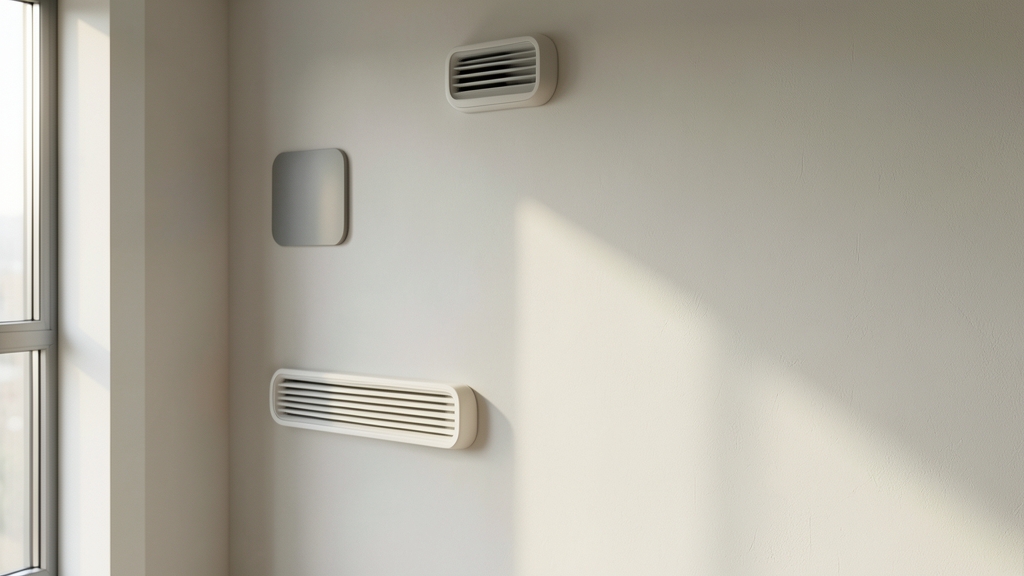
Mold in Schenectady isn’t just unsightly—it’s persistent. Even after removal, it returns because the root moisture problem was never addressed. Our team tackles both the mold and its source, ensuring your home stays clean and safe long-term.
The Capital Region’s Climate Feeds Recurrent Mold
Schenectady’s humid summers and cold, wet winters create ideal conditions for mold spores to thrive. Without proper ventilation, moisture lingers in walls, basements, and attics, inviting regrowth.
Nearby areas like Niskayuna and Rotterdam face the same issues, especially in older homes with poor airflow. Even modern builds aren’t immune if water intrusion goes unchecked.
Mold doesn’t need standing water—just sustained humidity above 60%. Leaky pipes, condensation in crawl spaces, or even improperly sealed basements in Scotia homes can fuel recurrence.
We use thermal imaging and moisture meters to detect hidden leaks behind drywall or under flooring. Without fixing these, remediation is only a temporary fix.
A slow drip in a Colonie basement can saturate insulation and drywall for months before visible mold appears. By then, spores have spread deeply.
Poor Ventilation Traps Spores Indoors
Bathrooms, kitchens, and laundry rooms without exhaust fans or with clogged vents trap moisture. In Albany’s older housing stock, this is a common oversight.
Attics are another hotspot. Improperly vented roofs or blocked soffits lead to condensation, which feeds attic mold—especially after ice dams in winter.
DIY Cleaning vs. Professional Remediation: What Actually Works
Bleach kills surface mold but doesn’t penetrate porous materials like drywall or wood. Spores remain, ready to regrow when moisture returns.
Our team uses HEPA vacuuming, antimicrobial treatments, and controlled demolition to remove mold at its source. We also address the moisture, so it doesn’t return.
| Method | Kills Surface Mold | Removes Hidden Spores | Prevents Recurrence |
|---|---|---|---|
| Bleach/Spray Cleaners | Yes | No | No |
| HEPA Vacuuming + Antimicrobials | Yes | Partially | Only if moisture is fixed |
| Professional Remediation | Yes | Yes | Yes (with moisture control) |
Common Mold Hotspots in Local Homes
Basements and crawl spaces in Rotterdam and Scotia often lack vapor barriers or proper drainage. Groundwater seepage or poor grading worsens the problem.
Attics in Niskayuna homes may suffer from inadequate insulation, leading to temperature differentials that cause condensation. Ice dams in winter exacerbate this.
Check These Areas for Hidden Mold
- Behind baseboards and under carpet in basements
- Inside HVAC ductwork (common in older Albany homes)
- Under sinks and around plumbing fixtures
- In crawl spaces without encapsulation
- Attic sheathing and rafters
How We Stop Mold from Returning
First, we perform a thorough mold inspection and moisture mapping. This identifies not just the mold, but the water source feeding it.
Then, we implement tailored solutions: dehumidifiers for basements, improved ventilation in attics, or crawl space encapsulation. Water damage restoration may be needed if leaks are severe.
Install a hygrometer to monitor humidity levels. Aim for 30-50% indoors. In Schenectady’s damp seasons, a whole-home dehumidifier can be a game-changer.
Commercial Mold: A Different Challenge
Offices and retail spaces in Colonie or Albany often have large HVAC systems that can spread spores if not maintained. Poorly sealed windows or roof leaks also contribute.
Our commercial mold remediation includes air quality testing, duct cleaning, and moisture control plans to protect employees and customers.
The Cost of Recurrent Mold: Health and Structural Risks
Beyond property damage, mold exposure can trigger allergies, respiratory issues, and long-term health problems. Children and the elderly are especially vulnerable.
Structurally, unchecked mold weakens wood, drywall, and insulation. The longer it grows, the more expensive the remediation becomes.
How to Prevent Mold from Returning After Remediation
Stopping mold recurrence starts with controlling moisture and improving airflow.
- 1Fix Water Intrusion
Repair leaks in roofs, pipes, or foundations. Ensure proper grading around your home to direct water away from the foundation.
- 2Improve Ventilation
Install exhaust fans in bathrooms and kitchens. Use attic vents and soffits to promote airflow. Consider a whole-house dehumidifier for basements.
- 3Use Mold-Resistant Materials
In moisture-prone areas like basements or bathrooms, opt for mold-resistant drywall, insulation, and paint during renovations.
- 4Monitor Humidity
Keep indoor humidity below 50% with dehumidifiers. Use a hygrometer to track levels, especially in seasons with high outdoor humidity.
- 5Schedule Regular Inspections
Have a professional mold inspection annually, especially if your home has a history of water damage or poor ventilation. Early detection prevents costly remediation.
Frequently Asked Questions
Why does mold keep coming back in my Schenectady basement?
Basements are prone to groundwater seepage, poor drainage, and high humidity. Without vapor barriers, dehumidifiers, or proper grading, moisture lingers, allowing mold to regrow after removal.
Can I just paint over mold to prevent it from returning?
No. Painting over mold without removing it traps spores, which continue growing beneath the surface. Use mold-resistant paint only after full remediation and moisture control.
How do I know if my attic mold is from a leak or poor ventilation?
Leaks often cause localized staining or dampness, while poor ventilation leads to widespread condensation and musty odors. Our team uses moisture mapping to pinpoint the source.
Is mold in my HVAC system dangerous?
Yes. Mold in ductwork spreads spores throughout your home, worsening air quality and health risks. Professional duct cleaning and moisture control are essential to prevent recurrence.
Does mold remediation include fixing the moisture problem?
True remediation should address both the mold and its source. Our process includes moisture control solutions like dehumidifiers, ventilation improvements, or waterproofing to stop regrowth.
How often should I check for mold in my Niskayuna home?
Inspect high-risk areas (basements, attics, crawl spaces) every 3-6 months. After water damage or flooding, schedule a professional mold inspection immediately.